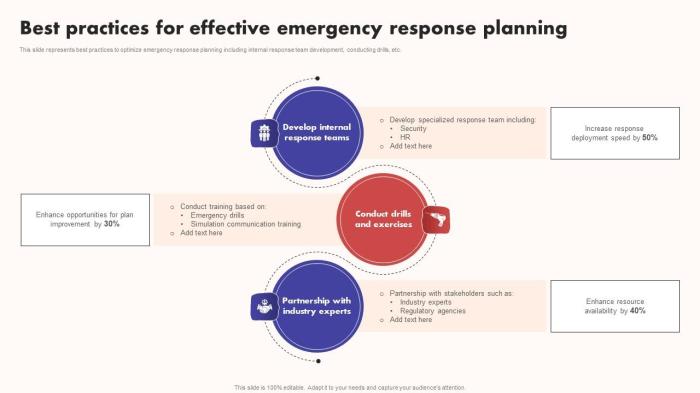
Picture this: a massive storm brews on the horizon, and your business is caught in the eye of the hurricane—literally! Emergency response planning is the unsung hero of the corporate world, ensuring that when chaos strikes, you’re not just flailing around like a fish out of water. This guide dives into the essence of crafting a robust emergency response plan that not only saves the day but also keeps your business afloat when the going gets tough.
We’ll explore the core elements that make up a solid emergency response strategy, the importance of having one in place (because who wants to be the organization that turns into a reality show of ‘How Not to Handle a Crisis’?), and the common hurdles that might trip you up while you’re trying to orchestrate your own disaster management symphony. Buckle up, because we’re about to navigate the wild waters of emergency preparedness!
Emergency Response Planning Basics
In a world where surprises often come with blinking lights and sirens, having a solid emergency response plan is like having an umbrella in a rainstorm—absolutely essential! This plan is your organization’s superhero cape, swooping in to save the day when disaster strikes. It combines the wisdom of careful planning with a sprinkle of preparedness magic, ensuring that when chaos appears, you’re ready to take action without tripping over your own shoelaces.A well-structured emergency response plan serves as the backbone of business continuity.
Think of it as your organization’s GPS—navigating you through potential hazards and helping you avoid the potholes of disaster. The key components of this plan include clear roles and responsibilities, communication strategies, training and drills, resource allocation, and recovery procedures. When businesses invest in a solid plan, they not only secure their assets but also protect their people, ensuring that everyone knows their role in the great emergency ballet.
Key Components of Emergency Response Planning
Understanding the fundamental components that make up an effective emergency response plan is crucial. Each element plays a significant role in ensuring that your organization can respond swiftly and effectively when the unexpected occurs. The essential components include:
- Risk Assessment: Identifying potential hazards and assessing their impact is step one. Conducting a thorough risk assessment can feel like playing detective, but it’s essential to know what you’re up against.
- Roles and Responsibilities: Clear delineation of who does what in an emergency prevents chaos. It’s like casting a play: everyone needs to know their lines to avoid an awkward silence on stage!
- Communication Plan: Establishing a robust communication strategy is key. This plan ensures that the right people get the right information at the right time—think of it as your organization’s social media post during a crisis, minus the cat memes.
- Training and Drills: Regular training sessions and emergency drills keep everyone sharp. Just like athletes practice plays, your team needs to practice their response moves to avoid fumbling when the spotlight is on.
- Resource Management: Identifying and allocating necessary resources ensures that you have what you need at your fingertips. Imagine having a well-stocked kitchen during a cooking competition; it makes all the difference!
- Recovery Procedures: After the dust settles, having a plan for recovery is crucial. This step is all about rebuilding and bouncing back better than ever, much like a rubber band—stretchy, resilient, and ready for action!
Challenges in Creating Emergency Response Plans
Crafting an effective emergency response plan isn’t all sunshine and rainbows; organizations often face several hurdles. Recognizing these challenges can help in developing a more robust plan. Some common challenges include:
- Complacency: Organizations sometimes fall into a false sense of security, thinking disasters won’t happen to them. It’s like a cat thinking it’s invincible while sitting on a windowsill—funny until gravity kicks in!
- Lack of Resources: Many organizations struggle to dedicate sufficient time, money, and personnel to develop a comprehensive plan. It can feel like trying to host a grand dinner party with only instant ramen in the pantry!
- Communication Gaps: Miscommunication or lack of clarity can lead to confusion during emergencies. Think of it like a game of telephone; by the time the message gets around, it may sound completely different.
- Infrequent Updates: An emergency response plan that’s not regularly updated becomes obsolete. It’s like trying to navigate using a 10-year-old map—you’re bound to end up lost!
- Lack of Engagement: If employees don’t buy into the plan, it may sit on a shelf gathering dust. Getting everyone on board is crucial, or you might as well be teaching a cat to swim!
“A well-prepared organization is like a well-stirred bowl of soup—ready to serve when it’s needed most!”
Integrating Change Management in Emergency Preparedness

Emergency response planning isn’t just about having a fire extinguisher on hand and a first aid kit stashed under the desk. It is a choreography of processes that requires agility, adaptability, and a sprinkle of change management magic. Integrating change management principles into emergency preparedness can elevate an organization’s readiness from “meh” to “whoa!”—making it perfectly poised to tackle the unexpected with finesse and flair.Change management principles enhance emergency response planning by ensuring that all stakeholders are on the same page, transforming potential chaos into a well-rehearsed performance.
When changes in policies, procedures, or technologies occur, utilizing change management helps mitigate risks associated with these transitions. For instance, adopting a new communication tool for emergencies is not just about slapping a new app on your phone; it requires training, testing, and feedback loops to ensure everyone is singing from the same hymn sheet when disaster strikes.
Construction Industry Practices Informing Emergency Response Protocols
The construction industry is no stranger to unforeseen events—especially when Mother Nature decides to throw a tantrum. By studying how construction sites prepare for emergencies, organizations can develop protocols that are robust and effective. The construction sector’s practices provide valuable insights, as they face hazards ranging from equipment failures to extreme weather conditions daily.Here are some ways construction practices can inform emergency response protocols:
- Site Assessments: Before starting projects, construction teams conduct thorough risk assessments to identify potential hazards. Similarly, a comprehensive risk evaluation in emergency planning ensures that all possible threats are accounted for.
- Training Drills: Just as construction workers routinely practice evacuation drills, organizations should implement regular emergency drills to keep response plans sharp and staff ready for action.
- Clear Communication Channels: Construction sites use radios and clear signage to communicate effectively. Establishing similar communication protocols in emergency plans ensures that critical information flows seamlessly during crises.
- Collaboration with Experts: Construction workers often consult safety experts for advice. Engaging with emergency response professionals when drafting protocols can yield best practices that elevate preparedness.
“An ounce of prevention is worth a pound of cure.”
This timeless wisdom applies to emergency response, emphasizing the necessity of preparing rather than scrambling during crises.
Business Consulting in Developing Robust Emergency Response Strategies
Business consulting plays a pivotal role in formulating emergency response strategies that are not only effective but also sustainable. Consultants bring an outsider’s perspective and expertise to the table, helping organizations dissect their current plans and find areas for improvement. They act as pinball machines—bouncing ideas around and generating innovative solutions that may not have previously been considered.The key contributions of business consulting in emergency preparedness include:
- Strategic Planning: Consultants help organizations craft comprehensive emergency response plans that align with overarching business objectives, ensuring that preparedness is woven into the organizational fabric.
- Change Management Expertise: Business consultants are well-versed in change management frameworks. They guide organizations on best practices for implementing changes in emergency protocols while minimizing resistance and confusion.
- Stakeholder Engagement: By involving various stakeholders in the planning process, consultants ensure that the voices of all parties are heard, leading to a more cohesive and accepted emergency response strategy.
- Benchmarking and Best Practices: With access to industry data and trends, consultants can identify best practices from other organizations, helping to elevate the quality of emergency response plans.
Incorporating insights from both the construction industry and business consulting can create a well-rounded emergency response strategy. It’s like combining peanut butter and jelly—deliciously effective!
Ensuring Continuity and Recovery
In the wild world of emergency response, ensuring continuity and recovery is like finding the last slice of pizza at a party—absolutely crucial! Just as you wouldn’t want that slice to go to waste, organizations must prioritize maintaining essential operations during and after a disaster. Effective continuity disaster recovery (CDR) strategies can mean the difference between a business bouncing back like a rubber ball or floundering like a fish out of water.The significance of continuity disaster recovery in emergency response frameworks cannot be overstated.
A well-crafted CDR plan enables organizations to continue critical functions while minimizing downtime. It’s the superhero cape for your business when the skies turn gray and stormy, ensuring that services remain operational and customers are kept happy amidst the chaos. With a solid framework in place, you can restore your operations faster than a caffeinated squirrel can climb a tree.
Essential Customer Service Practices During Emergencies
In the throes of an emergency, customer service can either shine like a diamond or crumble like a cookie. Keeping customers informed and satisfied is paramount, even when the going gets tough. Here are essential practices to uphold during such trying times:
- Maintain Open Communication: Keep customers in the loop with timely updates. Silence can lead to speculation, and nobody wants to play the guessing game.
- Empathy is Key: Show understanding towards customers’ concerns. A warm, compassionate response can turn a potential meltdown into a feel-good moment.
- Provide Clear Instructions: Ensure customers know what to expect and how to navigate the situation. Think of it as your own personal GPS—nobody likes getting lost!
- Offer Alternatives: If services are disrupted, present customers with alternatives. Whether it’s a temporary solution or a fun workaround, keep them engaged!
- Follow Up: After the dust settles, check in with customers to see how they fared and gather feedback. It’s like sending a thank-you note after a dinner party—polite and appreciated!
Fostering Entrepreneurialism to Enhance Resilience
Nurturing a culture of entrepreneurialism within an organization is akin to planting a garden of resilience—it requires care, attention, and most importantly, a little bit of creativity. When employees are encouraged to think like entrepreneurs, they become more adaptable and proactive in crisis situations. Here are approaches to foster this entrepreneurial spirit:
- Encourage Innovation: Create an environment where new ideas are welcomed. Host brainstorming sessions where “bad” ideas are as valuable as “good” ones—because sometimes the wackiest concepts lead to the best solutions.
- Empower Decision-Making: Give employees the authority to make decisions on the fly. This agility can be the difference between a delayed response and a swift recovery.
- Provide Training: Regular workshops and training sessions help employees develop critical skills and build confidence to face unexpected challenges head-on.
- Celebrate Creativity: Recognize and reward innovative thinking within the organization. A simple shout-out can inspire others to think outside the box.
- Build Strong Networks: Encourage collaboration across departments. Diverse teams can pool their talents and resources to tackle crises more effectively.
Wrap-Up
In conclusion, emergency response planning is like having a superhero in your corner when the unexpected happens—one that swoops in with a well-structured plan and a cape made of business continuity strategies. By understanding the importance of being prepared and integrating change management into your plans, you can ensure that your organization not only survives but thrives in the face of adversity.
So, get your ducks in a row, and let’s make sure that when life throws a curveball, you hit it out of the park!
Q&A
What is the first step in emergency response planning?
The first step is to conduct a risk assessment to identify potential hazards and vulnerabilities that could impact your organization.
How often should emergency response plans be updated?
It’s recommended to review and update your emergency response plan at least annually or whenever there are significant changes in operations, personnel, or external conditions.
Who should be involved in developing the emergency response plan?
It should be a collaborative effort involving key stakeholders including management, employees, and any relevant external partners or experts in emergency management.
What training is necessary for effective emergency response?
Regular training sessions, simulations, and drills are essential to ensure that everyone knows their roles and responsibilities during an emergency.
How can a business ensure continuity during a crisis?
Establishing clear communication, maintaining essential operations, and having a backup plan for critical functions can help ensure continuity during a crisis.


