
Welcome to the wondrous world of Ergonomic office chairs, where comfort meets productivity in a duet that could rival any Broadway musical! Imagine a chair so delightful that it wraps around you like a warm hug while you conquer your spreadsheets and emails. Ergonomics isn’t just a fancy word thrown around in office meetings; it’s the magic ingredient that transforms mundane workdays into extraordinary feats of clarity and wellness.
So, buckle up as we delve into why these chairs are the unsung heroes of our office lives!
In the bustling realm of office environments, ergonomic office chairs play a pivotal role in boosting productivity and safeguarding employee health. With back support that feels like a gentle embrace and seat cushions that could make clouds jealous, these chairs are designed to fit your body like a glove. We’ll explore the essential features to lookout for, as well as how change management can usher in a new era of comfort amidst the corporate chaos.
Ready to take the plunge into ergonomic enlightenment?
Ergonomics in Office Environments
In today’s fast-paced work culture, the importance of ergonomics in office environments has become more vital than a freshly brewed cup of coffee on a Monday morning. Ergonomic office chairs are not just fancy pieces of furniture; they play a significant role in enhancing workplace productivity while ensuring that employees feel as comfortable as a cat lounging in a sunbeam.
The impact of ergonomic seating extends far beyond mere comfort. Studies reveal that when employees are seated in ergonomic chairs, they experience reduced instances of discomfort and pain, leading to a happier and more engaged workforce. This reduction in physical strain translates to fewer sick days and more time for creative brainstorming sessions. After all, we can’t have productivity if everyone’s hunched over like a pretzel!
Importance of Ergonomic Chairs
Understanding the significance of ergonomic chairs can be likened to realizing that socks and sandals are a fashion faux pas. Here are essential features to consider when choosing the perfect ergonomic office chair:
- Adjustable Seat Height: Ensures that every employee can find their ideal sitting position, making it easier to reach their keyboard without feeling like a circus contortionist.
- Lumbar Support: Supports the lower back to prevent slouching, allowing employees to maintain proper posture as they power through spreadsheets or creative projects.
- Seat Depth Adjustment: Accommodates different thigh lengths, ensuring that even the tallest or shortest employees can sit comfortably without their knees turning into a new seating trend.
- Armrest Adjustability: Armrests that can be raised or lowered help alleviate shoulder strain, allowing employees to fling their arms up in victory when they successfully complete a project.
- Swivel Base: A chair that swivels is like having a dance partner that can keep up with you—enabling easy movement and access to different areas of the workspace without the need for dramatic chair maneuvers.
Investing in ergonomic office chairs is akin to having a superhero in your office—one that defends employees from the evil clutches of back pain and workplace fatigue. As companies continue to recognize the long-term benefits, it becomes evident that ergonomic seating is not just an option but a necessity for fostering a healthy and productive work environment. Remember, a happy worker is a productive worker, and an ergonomic chair is the unsung hero behind that happiness!
The Role of Change Management in Office Design
In the wild world of office design, where cubicles reign supreme and coffee breaks are sacred, the role of change management often resembles that of a superhero—flying in to rescue employees from the perils of poor posture and back pain. By integrating change management principles, businesses can select ergonomic office chairs that not only support the spines of their workforce but also align with the company culture, making the transition feel as smooth as a freshly oiled swivel chair.The influence of change management principles on the selection of ergonomic office chairs is significant.
When implementing ergonomic solutions, it’s important to consider employee feedback and engagement, akin to letting the team choose between a comfy office chair and a medieval torture device. By actively involving employees in the decision-making process, organizations can cultivate a sense of ownership that minimizes resistance and maximizes the comfort of their behinds. Change management also involves assessing existing office layouts and identifying areas for improvement, ensuring that the new ergonomic chairs integrate seamlessly into the workspace without causing any unnecessary chaos, like a coffee spill on a Monday morning.
Strategies for Implementing Ergonomic Solutions
Implementing ergonomic solutions in an existing office setup requires a dash of creativity, a sprinkle of strategy, and the willingness to shuffle furniture like a game of Tetris. Here are some effective strategies to ensure that ergonomic chairs make their grand entrance without stepping on any toes—or rolling over any feet:
- Conduct an Ergonomic Assessment: Start by evaluating the current workspace setup. This can involve measuring desk heights, understanding employee preferences, and identifying common discomforts. Think of this as the office version of gathering intel before a major heist—only the treasure is comfort.
- Educate Employees: A well-informed employee is a happy employee. Host workshops or training sessions that teach staff about the benefits of ergonomic chairs and how to adjust them for maximum comfort. After all, no one wants to be that person who sits in a chair like they’re auditioning for a role in a horror movie.
- Start Small: Rather than overhauling the entire office overnight, consider pilot programs that allow a select group of employees to test out new chairs. This will build excitement and provide valuable feedback while reducing resistance. Who wouldn’t want to be a part of an ergonomic revolution?
- Incorporate Flexibility: Offer a variety of ergonomic seating options, such as standing desks or ball chairs, to cater to different preferences. This flexibility encourages movement and keeps everyone engaged—because not all heroes wear capes; some simply roll around in ergonomic glory.
Case Studies of Successful Ergonomic Transformations
Embracing change management principles can lead to remarkable transformations in corporate environments. Here are a couple of successful case studies that illustrate the positive impact of ergonomic design:
- TechCorp Innovations: After noticing a spike in employee complaints about back pain, TechCorp decided to revamp their office. They engaged employees in choosing ergonomic chairs and designed collaborative spaces that encouraged movement. Within three months, employee satisfaction scores soared by 40%, and productivity levels increased significantly. Apparently, happy backs lead to happy hacks!
- FinanceGiant Ltd: FinanceGiant embarked on an ambitious project to modernize their office design using change management strategies. They implemented a mix of ergonomic chairs, adjustable desks, and wellness programs. Following this initiative, the company reported a 25% decrease in sick leave and a remarkable turnaround in workplace morale. Who knew that investing in comfort could lead to breaking records in performance?
Business Consulting for Ergonomic Solutions
In the tantalizing world of business consulting, where ergonomic office chairs reign supreme, companies often face the monumental task of selecting the right seating solutions. A good chair isn’t just a throne; it’s a bastion of productivity, comfort, and employee satisfaction. As businesses embark on this ergonomic journey, there are key considerations to keep in mind to ensure that their employees aren’t just sitting, but thriving!The fine art of selecting the ideal ergonomic office chair involves more than simply choosing a chair that looks good in the boardroom.
It’s about understanding the unique needs of the workforce, which can vary as much as coffee preferences in an office. Employee feedback is not just a box to tick; it’s the lifeblood of the consulting process. When employees express their needs and preferences, businesses can tailor their chair selection process to optimize comfort and productivity.
Key Considerations for Ergonomic Chair Selection
Choosing the right ergonomic office chair is akin to selecting the right weapon in a video game; the right choice can lead to victory (or at least fewer backaches). Here are some pivotal considerations for businesses:
- Adjustability: Look for chairs that offer adjustable heights, armrests, and lumbar support. A one-size-fits-all approach rarely works, much like trying to make a bowler hat fit a poodle.
- Material Quality: Consider breathable fabrics and sturdy constructions. No one wants a chair that crumbles faster than a cookie in a toddler’s hand.
- Mobility: Ensure the chair has good wheels for easy movement. Swiveling in a chair can help employees express their thoughts—like a spinning top of inspiration!
The Importance of Employee Feedback
Incorporating employee feedback is essential in creating an ergonomic haven. It’s not just about asking for opinions; it’s about fostering a culture where feedback is valued—like gold, but without the hefty price tag. Employee insights can illuminate the nuances of daily discomforts that a consultant may overlook. By engaging employees in the decision-making process, businesses can cultivate chairs that support their unique posture preferences and working styles.
Remember, a happy employee is often a more productive employee, and they might even share their secret coffee stash with you!
Checklist for Evaluating Current Office Chair Inventory
To evaluate the current office chair inventory against ergonomic standards, businesses can use the following checklist. This will ensure that the chairs not only look the part but are also the real deal when it comes to comfort and support.
- Height Adjustment: Does the chair offer a range of height settings?
- Lumbar Support: Is there adequate lumbar support that can be adjusted?
- Seat Depth: Is the seat depth appropriate for different body types?
- Armrest Functionality: Are the armrests adjustable or removable?
- Material Durability: Is the chair made from high-quality, breathable materials?
- Mobility: Do the wheels roll smoothly on different surfaces?
Implementing this checklist will help businesses ensure their current chair lineup meets ergonomic standards, enhancing the well-being of their workforce while possibly sparking a mini-chair revolution! After all, in the battle against discomfort, every detail counts.
Closure
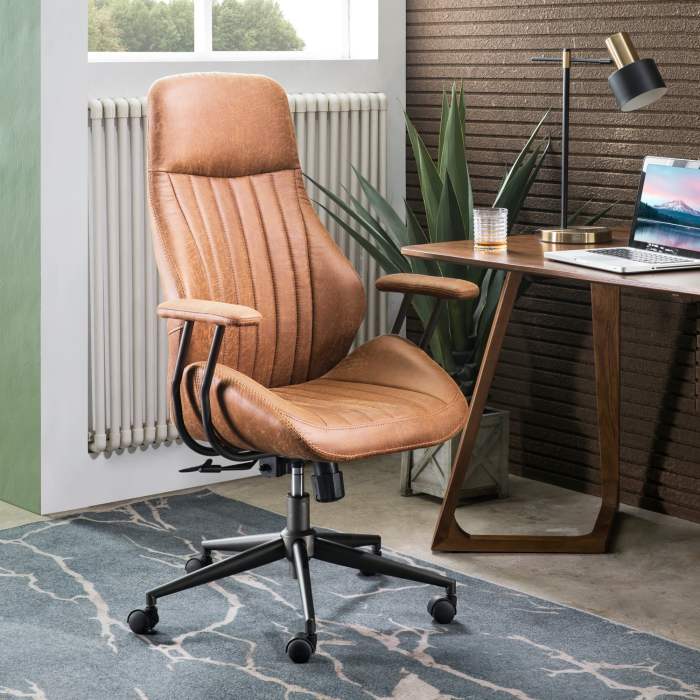
In conclusion, investing in Ergonomic office chairs is not just a trendy decision but a powerful step towards creating a healthier, happier workspace. With the right chair, you can elevate your productivity while pampering your body and mind. So, as you kick back in your newfound throne, remember that good posture is the new cool, and your back will thank you for it! Cheers to comfort and productivity, one ergonomic chair at a time!
Question Bank
What are ergonomic office chairs?
Ergonomic office chairs are specially designed seating solutions that provide optimal support for your body, promoting good posture and comfort during long hours of work.
How do I know if a chair is ergonomic?
Look for adjustable features like seat height, lumbar support, and armrests, as well as a design that encourages a natural alignment of the spine.
Why are ergonomic chairs important?
They help prevent musculoskeletal disorders, reduce discomfort, and can even boost productivity by keeping you comfortable and focused.
Can I use an ergonomic chair at home?
Absolutely! An ergonomic chair can enhance your home office setup just as much as it does in a corporate environment.
Are ergonomic chairs expensive?
While they can be pricier than regular chairs, investing in ergonomics can save you money in the long run by reducing health issues and improving work efficiency.


