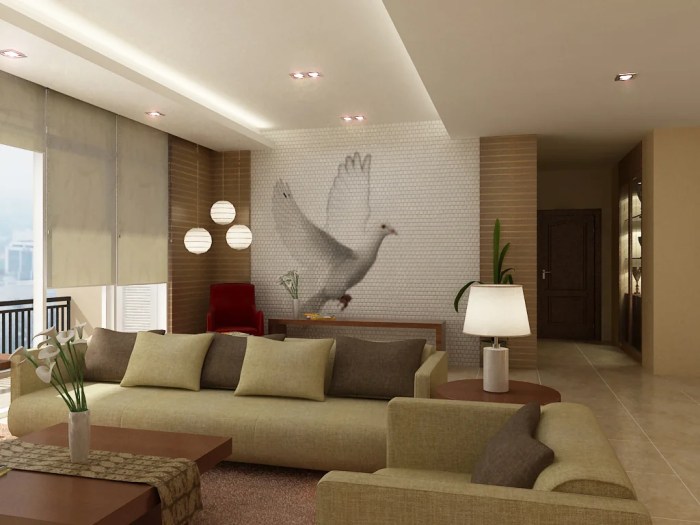
Step right up, folks! Modern home decor is the magical realm where minimalism dances with industrial vibes while Scandinavian cozies up with a cup of hot cocoa. If you’ve ever asked yourself, “How can I turn my living space into a Pinterest-worthy wonderland?” then buckle up! We’re diving into the latest trends that will have your home saying, “Thank you, next!” to clutter and outdated styles.
From color palettes that sing and furnishings that could moonlight as art pieces, we’re here to spill the beans on how to elevate your space without breaking the bank or your spirit. Discover tips that even your grandma would approve of, and let’s get your home ready for its close-up!
Modern Home Decor Trends
In the ever-evolving world of home decor, modern trends are setting the stage for a spectacular showcase of creativity and individuality. Today, styles like minimalism, industrial, and Scandinavian have taken center stage, each offering unique aesthetics and vibes that can transform any space into a haven of style and comfort. Let’s dive into these stylish currents and discover how to seamlessly integrate them into your existing home!
Minimalism in Modern Decor
Minimalism is all about “less is more,” emphasizing simplicity and functionality. The idea is to declutter not just your space, but also your mind, making way for peace and tranquility. You can introduce minimalism into your home by choosing furniture that serves dual purposes and by limiting decorative items to a few impactful pieces.
- Opt for furniture with clean lines and neutral colors. Think of a sleek coffee table that could also serve as a storage unit—perfect for hiding away that collection of board games you never play.
- Incorporate natural elements like plants. Not only do they add a splash of vitality, but they also require minimal maintenance, which is a win-win!
- Use a monochromatic color palette with shades of white, grey, or soft pastels to create a cohesive look that feels both airy and spacious.
Industrial Style Highlights
The industrial decor trend draws inspiration from warehouses and factories, featuring raw materials, exposed structural elements, and a rustic charm that adds character to any room. To embrace this tough-guy aesthetic, think bold and unrefined.
- Incorporate exposed brick walls or reclaimed wood accents. Imagine a feature wall that whispers tales of yesteryears while still looking oh-so-cool.
- Use metal fixtures and vintage light bulbs to enhance the industrial vibe. A pendant light resembling a factory bulb can become an instant conversation starter!
- Consider furniture made from metal and wood, like a sturdy dining table with iron legs, to give your eating space a robust, urban feel.
Scandinavian Design Influence
Scandinavian design is like a warm hug on a chilly winter night—cozy, functional, and undeniably stylish. This trend emphasizes a clean aesthetic infused with comfort, making it ideal for creating a welcoming home environment.
- Choose furniture that combines elegance with comfort. A plush, yet streamlined sofa in a soft shade can be the centerpiece of your living room.
- Incorporate plenty of light through large windows and sheer curtains. Letting natural light flood in can make your space feel inviting and spacious.
- Use pastel colors combined with natural wood accents. Think of light blue cushions on a light wooden chair—simple yet sophisticated!
Embracing modern decor trends is not just about following the crowd; it’s about creating a space that reflects your personality and lifestyle.
Impact of Change Management in Home Decor Businesses
In the ever-evolving landscape of home decor, change is as inevitable as finding a rogue sock in the dryer. Launching a new home decor line can feel like throwing a fabulous party where you don’t quite know who’ll show up—or what they’re going to wear! This is where change management struts in with its well-tailored suit, ready to ensure that everything runs smoothly and your new line doesn’t end up like the last season’s avocado green trend—dead and buried.
Change management is essential when rolling out a new home decor line, as it ensures that all stakeholders, from designers to customers, are aligned and ready to embrace the latest trends. It acts as a guiding compass through the choppy waters of market shifts and customer expectations. Ignoring this crucial aspect could lead to a mishmash of chaos, where your efforts to debut that chic Scandinavian vibe end up looking more like a garage sale gone wrong.
Strategies for Managing Transitions in Design Trends
Navigating the transitions in design trends is not just about hopping on the latest trend bandwagon; it requires foresight, strategy, and a sprinkle of creativity. Here are several effective strategies for managing these transitions without losing your mind—or your customers:
1. Market Research and Trend Analysis
Consistently analyzing market trends can help businesses anticipate changes rather than react to them. Think of it as peeking at the answers before the exam—except in this case, the exam is your survival in the design jungle.
2. Flexible Design Philosophy
Adopting a flexible approach to design allows businesses to pivot quickly when trends shift. This is akin to yoga; if you’re not flexible, you’ll likely faceplant!
3. Engaging Stakeholders Early
Involving team members and customers from the get-go creates a sense of ownership and excitement, easing the transition. It’s much easier to bring your friends to a party when they feel like they helped plan it, right?
4. Prototyping and Feedback Loops
Using prototypes and encouraging customer feedback can help refine designs before they hit the market. Think of it as the dress rehearsal before the big Broadway debut.
5. Effective Communication
Keeping everyone in the loop about changes ensures that the entire team is on the same page. This can be as simple as a well-timed email or a casual chat over coffee (preferably in a trendy new mug).
“Successful change management in home decor is like a perfectly arranged room—every piece has its place and purpose.”
Role of Change Management in Customer Service for Home Decor Businesses
In home decor, customer service is as vital as the right throw pillow on a sofa—it can make or break the whole experience. Change management plays a pivotal role in enhancing customer service, especially during times of transition. Here’s how:
Training and Development
Regularly training customer service staff on new products and trends ensures they can provide informed assistance. Imagine them as the knowledgeable tour guides of your decor wonderland, ready to lead customers through every twist and turn.
Clear Communication Channels
Establishing clear communication pathways between sales, design, and customer service teams fosters a collaborative environment. This reduces the chance of customers getting the dreaded “I don’t know” answer, which can feel like a slap in the face of decor dreams.
Feedback Integration
Actively incorporating customer feedback into service improvements showcases that a business values its clientele. This creates a loyal customer base that feels heard and appreciated, much like finding a long-lost friend in an unexpected place.
Response Agility
The ability to swiftly adapt to customer inquiries and concerns, especially during a product launch, can elevate a brand from average to exceptional. Picture a ninja—swift, agile, and ready to tackle any customer query before it becomes a problem.Properly managing change in home decor businesses doesn’t just enhance the internal workings; it ensures that customers walk away feeling satisfied and eager for more.
After all, a happy customer is more likely to return for that second decorative pillow!
Entrepreneurialism in the Home Decor Market
The home decor market has become a vibrant playground for entrepreneurs, where creativity meets commerce and your wildest design dreams can become a reality, all while sipping a pumpkin spice latte, of course. The secret sauce? A sprinkle of innovation, a dash of strategy, and a whole lot of entrepreneurial spirit. Here’s a look into the art of starting your own home decor business, making ethically sound choices, and tapping into the lucrative world of franchising.
Key Entrepreneurial Strategies for Starting a Home Decor Business
Starting a home decor business requires more than just a passion for pillows and paint swatches. It’s about crafting a strategy that sets you apart in a crowded marketplace. Here are essential strategies to ignite your entrepreneurial journey:
- Market Research: Understanding your target audience is pivotal. Research trends, preferences, and pain points of potential customers. Use social media analytics, surveys, or even the old-fashioned way—talking to people.
- Unique Value Proposition: Identify what makes your decor line unique. It could be customization options, eco-friendly materials, or a quirky design aesthetic that appeals to the modern homeowner.
- Build an Online Presence: Establish a visually appealing website and active social media profiles. Showcase your products through stunning imagery and engaging content; after all, a picture is worth a thousand likes!
- Networking: Join industry-related events or local business groups. Collaborating with influencers or other entrepreneurs can amplify your reach and credibility.
- Customer Experience: Create an unforgettable buying experience. From easy navigation on your website to excellent customer service and swift delivery, every interaction should be delightful.
Ethical Considerations in Sourcing Materials
In today’s eco-conscious world, sourcing materials ethically is as essential as having the perfect throw blanket. The choices you make reflect not only on your brand but also contribute to a sustainable future. Here’s what to keep in mind:
- Sustainable Materials: Opt for materials that are renewable, reclaimed, or recycled. Bamboo, cork, and reclaimed wood not only add character but also minimize environmental impact.
- Fair Labor Practices: Ensure that the products are made by workers who are fairly compensated and work in safe conditions. Ethical sourcing means supporting the people behind the products.
- Transparency: Be open about where and how your materials are sourced. Customers appreciate brands that are honest about their supply chain, enhancing trust and loyalty.
- Local Sourcing: Whenever possible, source materials from local suppliers to reduce carbon footprints and support local economies; plus, it gives your products a unique local flair.
Business Franchising Opportunities Within the Home Decor Sector
Franchising can be a golden ticket for those looking to dive headfirst into the home decor market without starting from scratch. Here’s a guide to navigating this thriving avenue:
- Recognize Franchise Models: Familiarize yourself with different types of franchise models in the home decor realm, such as retail stores, online platforms, or specialized design services.
- Research Established Brands: Look into reputable home decor franchises with a proven track record. Brands like HomeGoods or Pottery Barn offer franchising opportunities that come with a loyal customer base.
- Understand the Investment: Be prepared for initial franchise fees and ongoing royalty payments. Analyze whether the potential revenue aligns with your financial expectations.
- Training and Support: Investigate what kind of training and support franchises offer. A good franchise will provide you with the tools needed to succeed and scale your business efficiently.
- Marketing Strategies: Leverage the marketing strategies provided by the franchise. Established brands often have strong marketing plans that can help you attract a customer base quickly.
Last Word

As we wrap up this whimsical journey through the world of modern home decor, remember that your space is an extension of you—so why not make it fabulous? With a sprinkle of creativity and a dash of style, transforming your home into a sanctuary of modern aesthetics is entirely within reach. So go ahead, unleash your inner interior designer, and let your home tell your unique story!
FAQ Guide
What defines modern home decor?
Modern home decor is characterized by clean lines, a neutral color palette, and functional furnishings that blend style with simplicity.
How can I incorporate modern decor into a small space?
Use multi-functional furniture, keep the color scheme light, and utilize vertical space with shelves to maximize your small space.
Are there specific colors that are trendy in modern decor?
Yes! Soft neutrals like beige, greys, and whites, accented with pops of bolder colors such as deep greens or blues are very much in vogue.
Can I mix different styles with modern decor?
Absolutely! Mixing styles can create an eclectic look, but be sure to maintain a cohesive color palette and design elements for a harmonious feel.
What is the role of texture in modern decor?
Texture adds depth and interest; think soft throws, woven baskets, and sleek metals to create layers in your decor.


